This webpage demonstrates some of the tools used by writers, scriveners, and scribes, both by showing illustrations of them at work , as well as by linking to examples of the tools (ink containers , pens , penners , pen-boxes & writing boxes , and writing-desks ) in museum collections and other websites with related artifacts.
(Penners and inkhorns, inkwells, and other ink containers have been moved to their own linkspages.)
SCRIBES AT WORK & ILLUSTRATIONS WITH WRITING TOOLS
Hugo pictor , Jerome's Commentary on Isaiah (Bodl. 717, fol. 287v), late 11th centuryThe tower scriptorium Of Tábara : the scribe and illuminator lay out their folios, while a novice trims parchment (PML M.429, fol. 183r), c. 1220Blanche of Castile and King Louis IX of France and Author Dictating to a Scribe , Moralized Bible (PML M.240, fol. 8), c. 1230Peter Comestor (fol. 1) and St. John (fol. 192), Bible Historiale (BNF Fr. 155), beginning of the 14th centuryA scribe copies from an exemplar , L'Estoire del Saint Graal (British Library MS Royal 14 E III, fol. 6v), c. 1300-1315Peter Comestor (fol. 1), Moses (fol. 105), and Ezekiel (fol. 224), Bible Historiale (BNF Fr. 156), first half of the 14th centuryJerome (fol. 297v), St. Paul (fol. 484), St. James the Lesser (fol. 498), St. John (fol. 501v), and St. John (fol. 506), Bible Historiale (BNF Fr. 152), 14th centuryA man and a woman work as copyists or rubricators , Roman de la Rose (BNF Fr. 25526, fol. 77v), second quarter of the 14th centuryGautier Map in the Death of King Arthur (BNF Fr. 122, fol. 272), 1344Philosophy , The City of God (BNF Fr. 170, fol. 334v), fourth quarter of the 14th centuryMachaut (BNF Fr. 1584, fol. Fv), c. 1377Tailor in the Liber de Moribus hominum (BNF Fr. 1166, fol. 34), end of the 14th century or beginning of the 15th century (note inkhorn and pencase hanging on belt)But I, alas, that am of wytte but dulle
And have no knowyng of suche mater
For to discryve and wryte at the fulle
The wofull compleynt which that ye shul here,
But even like as doth a skryvener
That can no more what that he shal write
But as his maister beside dothe endyte
A Complaynte of a Lovers Lyfe , ll. 190-196
St. Matthew (fol. 426), St. Mark (fol. 440), St. Luke (fol. 451), St. John (fol. 478v), St. Paul (fol. 486v), St. James the Lesser (fol. 525), St. John (fol. 529), and St. John (fol. 531), Bible Historiale (BNF Fr. 159), 14th-15th centuryBoccaccio (fol. 4v), Herophile (fol. 31), Demophile (fol. 37), and Cornificia (fol. 126), De mulieribus claris (BNF Fr. 598), beginning of the 15th centurySt. James the Lesser (fol. 585v; note that the bag is a pilgrim’s scrip ), St. Peter (fol. 586v), St. Peter (fol. 588), St. John (fol. 589), and St. Jude (fol. 591), Bible Historiale (BNF Fr. 10), beginning of the 15th centurySir John de Mandeville writing , Travels (British Library Add. 24189, fol. 4), c. 1410Several images in Les cas des nobles hommes et femmes (Bibl. Sainte-Geneviève MS 1128, c. 1425-1449) imagine Boccaccio in the company of the characters he is writing about; see fols. 10v , 14 , 24v , 36 , 44v , 55 , 101 , 105 , 112v , 182v , 187 , 196 , 206 , 223 , 223v , 233 , 260v , 271v , 278v , 283v , 308 , 319 , and 338
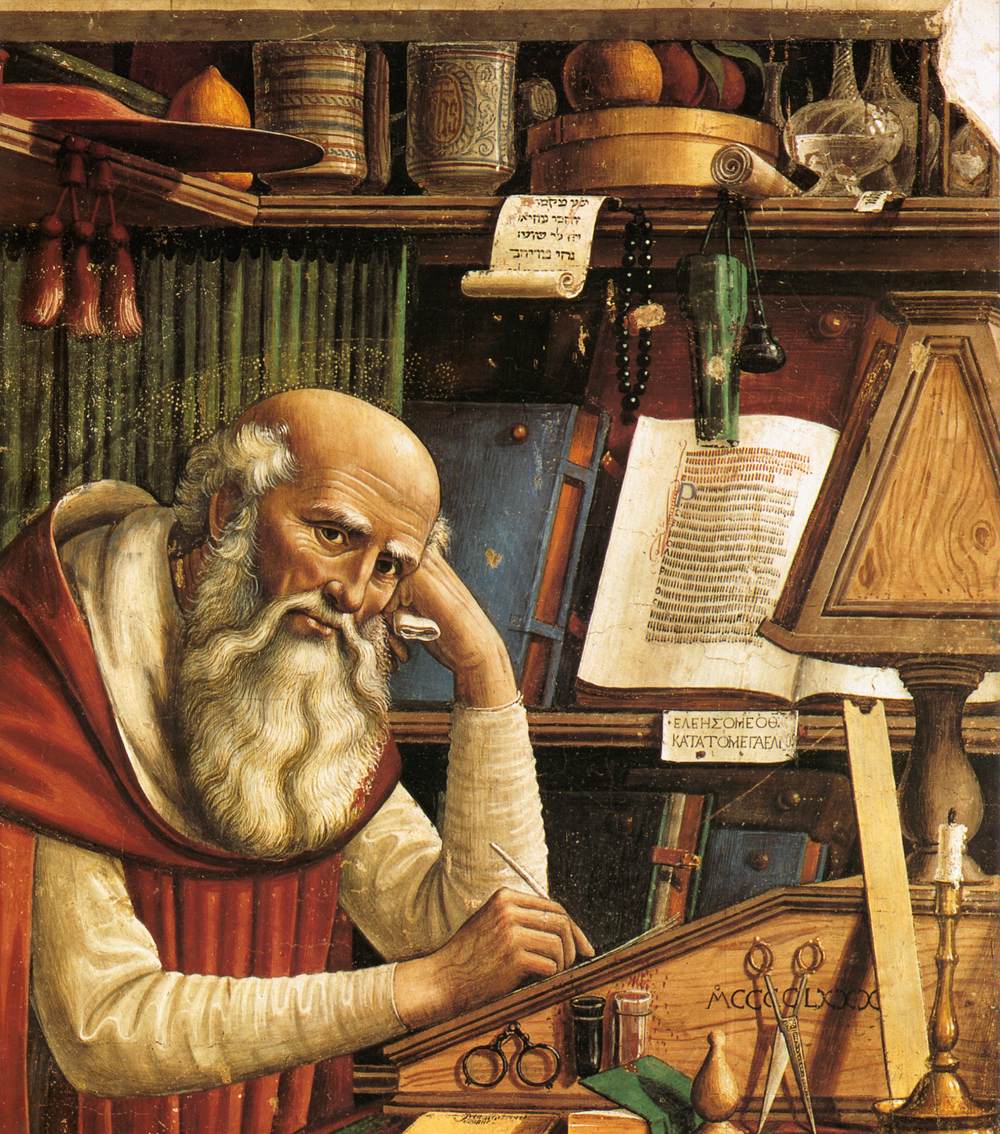
Johanes , Mendel Hausbuch (Amb. 317.2, fol. 62r), 1438A copyist in his workshop from Mare historiarum (BNF Latin 4915, fol. 1), c. 1440-1455St. Jerome St. Martin, St. Barbara, and St. Luke by Stefan Lochner, 1445-1450A copyist in his workshop , Histoire des nobles princes de Hainaut (BNF Fr. 20127, fol. 2v), mid-15th centuryScribal apprenticeship , Facta et dicta memorabilia (BNF Fr. 287, fol. 1), second part of the 15th centuryA scribe and his apprentice , Chroniques de Hainault (BNF Fr. 20128, fol. 1), c. 1450-1475Laurent de Premierfait writes a translation in The Decameron (BNF Fr. 129, fol. 4), third quarter of the 15th centuryBoccaccio , De casibus (BNF Fr. 130, fol. 233v), third quarter of the 15th centurySt. Jerome (fol. 2r) and Jean Miélot (fol. 19r), Vie et miracles de Notre Dame (BNF Fr. 9198), 1456The author Titus Livius (or the translator Pierre Bersuire?) at work , Ab urbe condita (BNF Fr. 273, fol. 7), c. 1475Vincent de Beauvais at his desk , Speculum Historiale (British Library Royal 14 E I, fol. 3), late 15th centuryFlavius Josephus in The Wars of the Jews (BNF Fr. 15, fol. 41v), fourth quarter of the 15th centurySt. Matthew , St. Luke , and St. John by Gabriel Mälesskircher, 1478St. Augustine by Sandro Botticelli, 1480St. Jerome in his Study (detail ) by Domenico Ghirlandaio, 1480Good images of inkhorn and penner in a Portrait of a young man , early 1480s; for more heart-shaped books, see this 15th century book of hours , the Chansonnier of Jean de Montchenu (chansonnier cordiforme ), this 1580 prayerbook for Anna, wife of Elector Augustus , etc.
St. Jerome in his scriptorium , c. 1480-1490The author writing his book , Le Roman de la rose (British Library, Harley 4425, fol. 133), c. 1490-1500Inkhorn and penner of St. Ambrosius , from an altarpiece at Kremsmünster, c. 1490-1500An inkhorn and penner in 12-Year-Old Jesus in the Temple (part of the altarpiece at the Church of St. Nicholas in Presov, Slovakia) Inkhorn, penner, and writing-slope of St. Jerome by Georg Stäber, c. 1495-1500Carmenta , De mulieribus claris (BNF Fr. 599, fol. 22v), 15th-16th centuryOvid's Heroides (BNF Fr. 873), 15th-16th century: Oenone (fol. 27v), Hypsipyle (fol. 35v), Dido (fol. 42v), Canace (fol. 68v), Medea (fol. 74v), Hypermestra (fol. 90v), Helen (fol. 106v), Hero (fol. 125v), Acontius (fol. 133v), Cydippe (fol. 140v)
Vision of St. Augustine by Vittore Carpaccio, 1502An inkhorn and penner in Jesus praying at the Mount of Olives from an altarpiece at Passau, c. 1510-1515St. Jerome in his Study by Albrecht Dürer, 1511St. Gregory (an open penner next to his inkhorn) from an altarpiece at Grades, Austria, c. 1515-1520Signboard for the schoolmaster Myconius by Hans Holbein the Younger, 1516Signboard for the schoolmaster Myconius by Ambrosius Holbein, 1516Portrait of Erasmus by Quentin Massys, 1517A good view of an inkhorn, penner, and pen in a painting of a girl writing , c. 1520
Saint Paul Writing by Pier Francesco Sacchi, 1520sPortrait of Erasmus by Hans Holbein the Younger, 1523St. Mary Magdalene , first half of the 16th centuryPortrait of Sir Thomas Godsalve and his son John (detail ) by Hans Holbein the Younger, 1528Portrait of Georg Gisze by Hans Holbein the Younger, 1532Portrait of Dirk Tybis by Hans Holbein the Younger, 1533Portrait of Thomas Cromwell by Hans Holbein the Younger, 1533Vlrich Huber makes inkhorns and penners, Mendel Hausbuch (Amb. 317.2, fol. 153v), 1535Self-portrait of Romanino , 1535-1540The Tax Collectors by Marinus van Reymerswale The Tax Collectors by Marinus van Reymerswale A good view of an inkhorn, penner, and pen in Two Tax Gatherers by Marinus van Reymerswaele, c. 1540
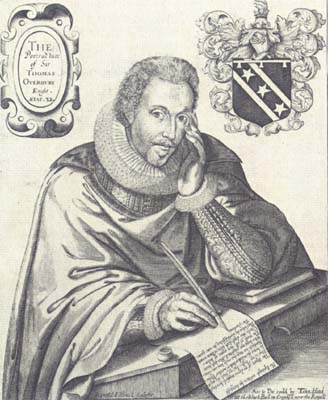
Self-portrait of Simon Bening , 1550sThe scribes' room in the Schwazer Bergbuch (Landesmuseum Ferdinandeum Cod. Dipl. 856, fol. 121v), 1556The scribes' room in the Schwazer Bergbuch (ÖNB 10852, fol. 85v), 1561; another scribe (fol. 114v)Peter Schmid makes inkwells, Landauer Hausbuch (Amb. 279.2, fol. 45v), 1565Taddeo in the Sistine Chapel Drawing Michelangelo's 'Last Judgment' and Taddeo in the Belvedere Court in the Vatican, Drawing the Laocoön by Federico Zuccaro, c. 1590Selection of writing tools, 16th-17th century , including a turned wood pounce pot, an inkwell, an hour glass , and a modern reproduction of a 16th century letterPortrait of Sir Thomas Overbury , 1613 PENS
PEN BOXES
A Fatimid carved ebony and ivory penbox with bronze mounts , Egypt or Sicily, c. 12th centuryPen box , inlaid with a verse from the Qur'an and symbols of the planets and the zodiac, Mosul, northern Iraq, c. 1230-1250Pen box , brass inlaid with gold and silver, 13th century western Iran or northern IraqPen box in cast brass decorated with astrological scenes, western Iran, 1281 WRITING DESKS